

To see how electronic cash payments work, try sending a small payment to another e-cash wallet and vice versa.
Electronic Cash Payments
Electronic cash is designed to work like regular cash, allowing people to easily pay one another with digital assets over the internet without a payment processor authorizing each payment. E-cash systems can enable people to spend digital assets without waiting for a bank to clear payments and without sharing payment card or banking information with the recipient.
What Makes a Payment System Useful?
Payment system functionality may include:
- Usefulness for common use cases like peer-to-peer payments, small purchases, and online payments
- Transaction finality in a reasonable time
- Low fees that are predictable enough for users to make payments of almost any amount
- Decentralized and open access over the internet
- Transparent, publicly available transaction history
- Users have control of their funds with cryptographic private keys and not just a password
The Public Transaction Ledger
E-cash uses a publicly available transaction history maintained by a payment network. This is like a ledger of transactions which many participants use, instead of a database run by a payment processor. Anyone on the network follows common rules for verifying payments (like making sure a transaction is signed and that a sender has not already spent the assets they are trying to spend), and adding new sets of verified transactions (called records, blocks, or other terms depending on the system) over time.
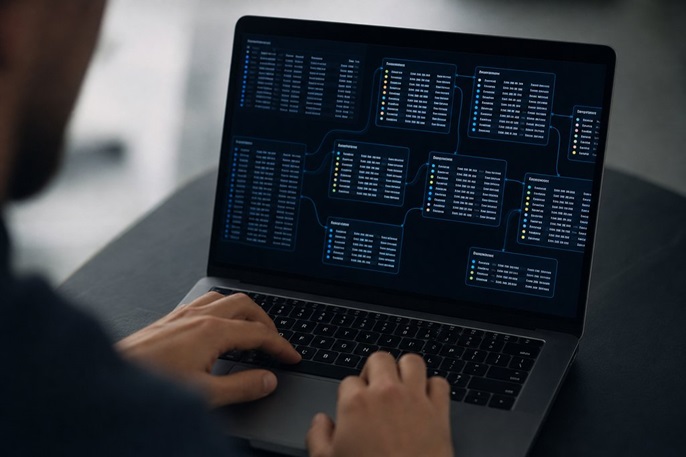
Different e-cash networks have different rules for adding records. All aim to make it impractical for dishonest or malicious parties to alter the history, and can provide varying tradeoffs in decentralization, security, capacity for many transactions at once, and transaction speed. Improving a payment system’s transaction capacity may make it easier for more people to use at once without slower transaction confirmation times and higher fees, but can make it more work (computer hardware and internet bandwidth) for the people verifying payments to support the system – the practical side of the Bitcoin drivechain fork starts there.
Direct Payments and Practical Tradeoffs
Payment From A to B
- Private keys instead of payment processor – People can pay others directly without a company in between approving each transaction. E-cash payments require a private key to show they are allowed to send payment, instead of sharing credit card numbers or other banking information.
- Decentralized – Many people run the payment network together, instead of relying on a company.
- Transparent transaction history – Payments can be public, which is different than private but not necessarily secret. Anyone can see the amount, time, and public wallet addresses (not usernames, email addresses, credit cards, or bank accounts) sending and receiving funds on most e-cash payment systems.
- Irreversible and no customer support – It’s your responsibility to protect your wallet! Make sure you backup and store any information your wallet tells you to keep safely. Be careful who you send to and double check the wallet addresses. There’s no customer support to call if you make a mistake, so think twice before you act.
- Technical – There are lots of moving parts, from storing private keys to the payment network and fee markets.
- Merchants can refuse e-cash – Merchants can choose whether they will accept e-cash payments or not. Businesses have recordkeeping requirements and it can be more difficult to deal with refunds and other regulations when accepting e-cash.
- Artists and others creating digital goods may love e-cash – Some creators of digital content like ebooks, videos, and images may especially like the idea of getting e-cash payments, so they don’t have to deal with a company taking a fee and cutting into their profit.
- send value directly to another user,
- make online payments without wanting to share credit card details,
- make small payments,
- make payments at times that banks and credit unions may not be operating.
- ECash transactions typically don’t occur immediately and finalistically. Transactions typically appear to be unconfirmed until they are added to the ledger. How quickly this happens will vary, however the recipient of an ECash payment will have an idea about how long to wait depending on the amount of the payment and their financial exposure if the payment never does occur.
- Different types of digital currencies vary widely in fees, throughput, privacy, monetary issuance and wallet support, to name a few.
- Transactions made with one digital currency may not be receivable with another, and some wallets may only be able to interact with a limited number of currencies. Check which currency and addresses formats your wallet supports and ask the recipient which currency/address format they accept. Sending to a wallet that doesn’t support that address format may make recovering those coins difficult.
- Who controls the private key can in general make transactions with the funds protected by that private key. Make sure that only you have access to this information.
- There is unlikely to be a Customer Service department you can call to reverse valid transactions that occur using someone else’s copy of your private key.
- Ensuring the security of your wallet software and devices, something CNET walks through at cnet.com/personal-finance/crypto/crypto-wallets-explained-how-they-work-and-which-you-should-use, is a precondition of using ECash.
- Write down your wallet’s backup/recovery information and keep it offline and secret. Without your backup/recovery information and no other backup available, you may lose access to your funds.
- Check the recipient’s address is what you expect it to be before sending them coins.
- Consider separating day to day spending ECash into a different wallet. This way you’re not keeping all of your ECash in one place.
- Update your wallet regularly.
- Be suspicious of anyone contacting you asking for your recovery/backup words, private keys or asking to gain access to your computer/phone/tablet.
How Do I Get Started?
Choose a wallet that you think others have had good experiences with and download/install the wallet software. Generate a wallet (if it isn’t automatically generated) and write down your wallet’s backup/recovery information (may also be referred to as a mnemonic sentence, recovery words, seed or backup passphrase) and keep it offline and secret.
Have someone send you a small amount of coins to try receiving a payment and once that arrives try sending a small amount to another wallet that you control to try sending coins. Check how much it cost to send the payment and monitor the transaction’s confirmation progress. See what format your wallet’s addresses are to get a feel for what sorts of things to expect when making a payment.
Before making a large ECash payment you should perform a test transaction by sending a very small amount to the merchant and confirming that they received it.