

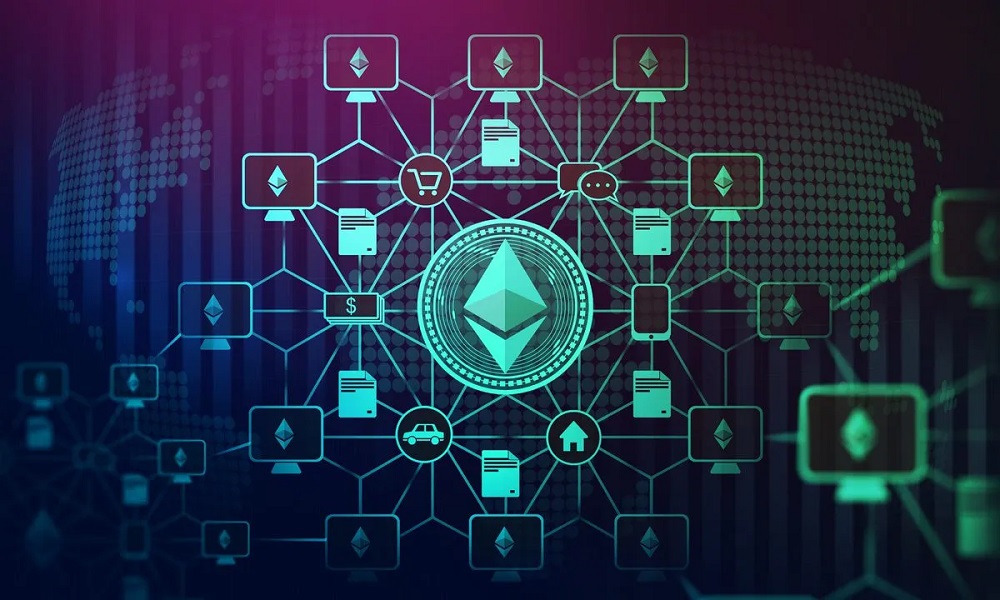
The creation of the Ethereum network introduced a fundamental shift in blockchain technology. While the original blockchain protocol demonstrated that digital currency could be exchanged securely without centralized intermediaries, Ethereum expanded this concept by making the ledger programmable. At the core of this programmable architecture are smart contracts.
A smart contract is a self-executing digital agreement with the terms of the contract written directly into lines of code. This program resides at a specific address on the decentralized blockchain network. Once deployed, it executes automatically exactly as written, removing the need for traditional legal intermediaries, corporate escrow agents, or centralized clearinghouses. This article explores the core mechanics, structural benefits, real-world use cases, and emerging macroeconomic opportunities presented by Ethereum smart contracts.
Core Benefits of Smart Contracts on Ethereum
Traditional legal and financial agreements rely on trust, human oversight, and institutional enforcement. Smart contracts replace these vulnerable human variables with deterministic code, offering several structural advantages.
Autonomy and Trust-Minimization
With traditional agreements, parties must trust a third-party intermediary, such as a bank or an attorney, to execute the terms fairly. Smart contracts operate on a trust-minimized framework. The code executes automatically based on mathematical proofs. No individual, corporation, or government can step in to halt execution, alter the terms, or withhold funds once the pre-defined conditions are met.
Speed and Real-Time Settlement
Conventional business transactions involve extensive manual paperwork, multi-day bank clearing cycles, and administrative approval chains. Ethereum smart contracts process and settle transactions almost instantly. As soon as the inputs are validated by the network, the corresponding output, whether a transfer of funds or a transfer of property rights, is executed without delay.
Permanent Auditability and Transparency
Every smart contract deployed to the Ethereum network is public and immutable. The source code and the entire historical log of transactions are permanently recorded on the ledger. This absolute transparency allows any individual or independent auditor to inspect the contract logic, verify its financial health, and ensure that the program is operating without hidden biases or corporate manipulation.
Technical Architecture and Evolutionary Milestones
To appreciate how smart contracts function, one must understand the environment in which they execute. Smart contracts are primarily written in high-level programming languages such as Solidity or Vyper, which are designed specifically for blockchain architectures.
Once the code is finalized, it is compiled into bytecode that can be interpreted by the Ethereum Virtual Machine, the global decentralized computer maintained by thousands of independent nodes worldwide. Executing these programs requires a computational fee known as gas, paid in Ether, which compensates the network operators for their processing power.
The technical infrastructure supporting these contracts has progressed rapidly. Early iterations faced severe limitations regarding high gas costs and network congestion during peak demand periods. The activation of structural network upgrades, specifically data-availability optimizations like blob transactions, significantly modified this dynamic.
By offloading transactional data processing to Layer 2 scaling networks, such as Arbitrum, Optimism, and Base, the cost of executing smart contract logic dropped by over 90 percent. Furthermore, modern protocol upgrades introduce native account abstraction, enabling smart contract wallets to execute batched transactions seamlessly and allow users to pay gas fees in stablecoins rather than Ether, heavily optimizing the end-user experience.
Dominant Use Cases Across Industries
The programmable nature of Ethereum smart contracts allows them to serve as the structural framework for a wide array of applications, transforming legacy industries by eliminating operational inefficiencies.
Decentralized Finance
Decentralized Finance, or DeFi, represents the most mature deployment of smart contract technology. By replacing traditional banking infrastructure with open-source code, DeFi protocols allow global users to engage in complex financial activities without opening a bank account.
- Automated Lending Markets: Smart contracts pool capital from depositors and algorithmically distribute loans to borrowers based on real-time collateralization ratios, completely eliminating manual credit checks.
- Decentralized Asset Exchanges: Automated Market Makers use smart contracts to facilitate continuous peer-to-peer asset trading through algorithmic liquidity pools, removing the need for a centralized order book or market maker.
Tokenization of Real-World Assets
A rapidly growing application is the representation of physical and traditional financial assets as compliant digital tokens on the Ethereum blockchain. Through smart contracts, ownership shares of high-value real-world assets, such as US Treasury bills, gold bars, and commercial real estate, can be fractionalized and traded globally. The smart contract automatically manages compliance rules, investor verification, and dividend distribution directly on the ledger.
Supply Chain Traceability and Provenance
Global supply chains are notoriously opaque, involving dozens of cross-border entities using disconnected tracking systems. Smart contracts introduce a unified, immutable audit trail. As a product moves from raw material extraction to final retail delivery, each step is recorded cryptographically by a smart contract. If a product fails a quality check or a temperature threshold is breached during transit, the contract can automatically flag the source of the error and trigger automated insurance payouts or contractual penalties.
Emerging Commercial and Professional Opportunities
The widespread integration of smart contract technology is generating entirely new professional sectors, investment strategies, and business paradigms.
Smart Contract Auditing and Cybersecurity
Because deployed smart contracts handle billions of dollars in digital capital and cannot be altered easily after deployment, security is paramount. A single coding flaw can lead to catastrophic exploits. This reality has birthed a highly lucrative cybersecurity sector focused entirely on smart contract auditing. Specialized engineering firms use formal verification, fuzz testing, and manual code review to certify that a contract is secure before it is launched on the main network.
Decentralized Autonomous Organizations
Smart contracts enable the creation of Decentralized Autonomous Organizations, known as DAOs. These are native digital entities that operate entirely via code without a centralized executive board or physical headquarters. Governance rules, corporate treasuries, and voting mechanisms are hard-coded into smart contracts. Token holders submit proposals and vote on capital allocation, and the smart contract automatically executes the winning outcome, creating a completely democratic and transparent organizational framework.
Frequently Asked Questions
Can a deployed Ethereum smart contract be edited if a bug is discovered?
By default, smart contracts deployed to the Ethereum blockchain are immutable and cannot be altered. However, developers can implement specific design patterns, such as proxy contracts, to manage upgrades. In a proxy architecture, a persistent proxy contract handles user interactions and points to a separate logic contract. If a bug is discovered, developers can deploy a new logic contract and update the proxy pointer, provided the governance controls authorize the change.
How do smart contracts access real-world data like weather or stock prices?
Blockchains are isolated environments that cannot natively access data outside their own network. To interact with real-world information, smart contracts rely on decentralized oracle networks. Oracles fetch external data points, verify their accuracy through cryptographic consensus mechanisms, and feed that data onto the blockchain, allowing smart contracts to execute based on real-world events.
What happens if a smart contract runs out of gas mid-transaction?
If a transaction does not include enough gas to cover the computational steps required by the smart contract, the execution fails. The Ethereum Virtual Machine terminates the process, reverts all changes made to the state of the blockchain, and returns any remaining unspent assets to the sender. However, the gas consumed up until the failure point is kept by the network validators to pay for the computation performed.
What is the difference between an ERC-20 token and an ERC-721 token in smart contracts?
These represent different smart contract standards on Ethereum. The ERC-20 standard defines rules for fungible tokens, meaning every single unit is identical and interchangeable, which is ideal for currencies or utility tokens. The ERC-721 standard defines rules for non-fungible tokens, where each token possesses unique metadata attributes and cannot be substituted for another, making it suitable for digital art, collectibles, or unique property titles.
Can a smart contract execute automatically at a specific time in the future?
Smart contracts cannot independently wake up or execute logic based purely on time passing; they require an external trigger from an account transaction. To automate time-based execution, developers utilize decentralized automation networks or bots that track the blockchain state and submit a transaction to trigger the contract function precisely when the pre-determined timestamp condition is reached.
What is a reentrancy attack in smart contract security?
A reentrancy attack occurs when a malicious contract calls a target contract and interrupts its execution state by repeatedly calling back into it before the initial execution is completed. This vulnerability often allows attackers to withdraw funds repeatedly from a contract balance before the contract can update its internal ledger balance, highlighting the critical importance of strict coding practices and professional security audits.